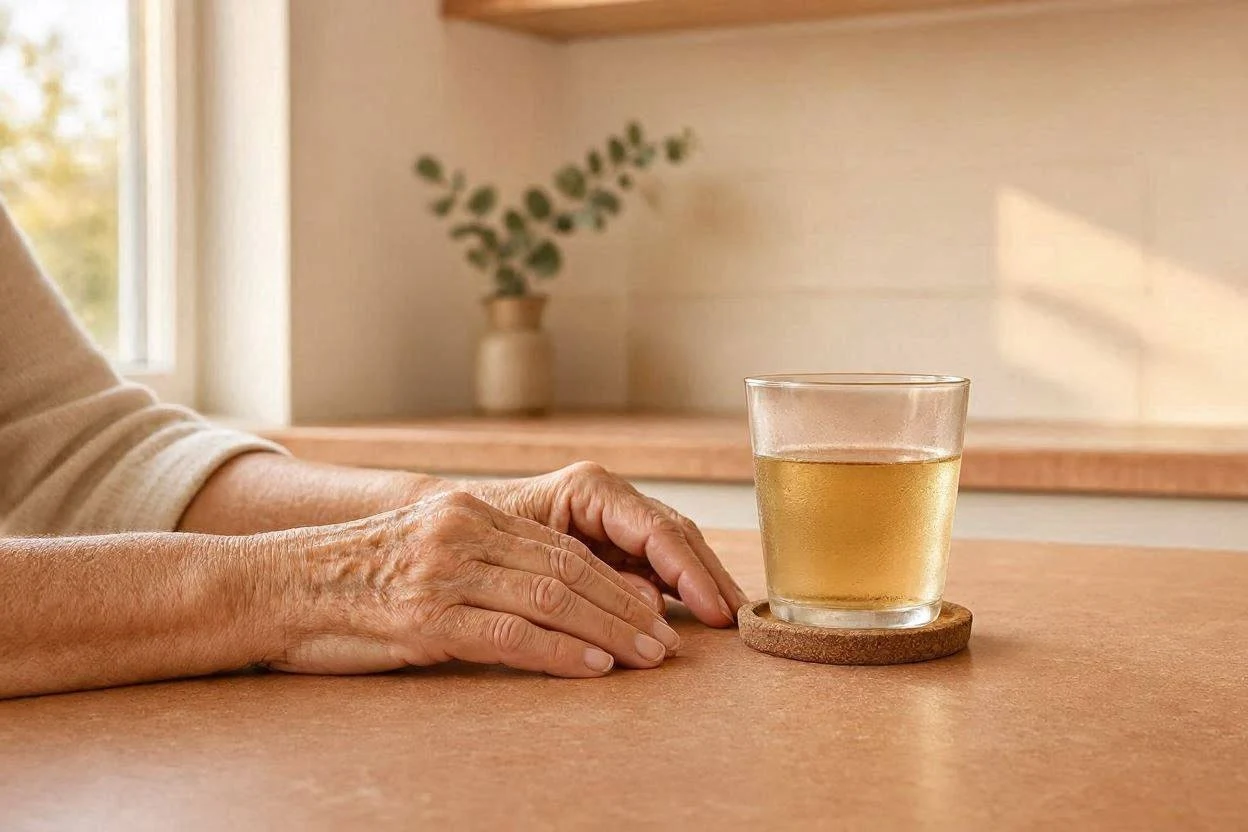
The appetite-reducing effect that helps younger adults can be a real concern for some older adults, since unintentional appetite loss and muscle loss are already common risks after 65. It's worth a different lens than the general weight-loss framing.
Want Support Built for This Stage Instead?
See the natural, whole-body approach a lot of people over 50 check out with their doctor's guidance.
See the Full BreakdownWhy the Calculus Is Different After 65
Appetite naturally declines with age for many people, and unintentional weight and muscle loss are already documented risks in this group. Deliberately adding an appetite-reducing habit on top of that needs a doctor's input, especially alongside any medication, see our full safety breakdown.
Who It Might Still Make Sense For
For seniors specifically managing excess weight under medical guidance, and with adequate total protein intake otherwise, it can still be a reasonable small habit. The key difference from a general audience is that it should be discussed with a doctor first, not assumed safe by default.
Quick Take
Talk to a doctor before adding an appetite-reducing habit at this age, the risk/benefit balance is different than it is for a younger adult.
How Trendmetric Reviews Viral Trends
We separate the base claim from the surrounding hype: what's biologically plausible, what's exaggerated, and what a longer explanation covers that a short clip can't.